
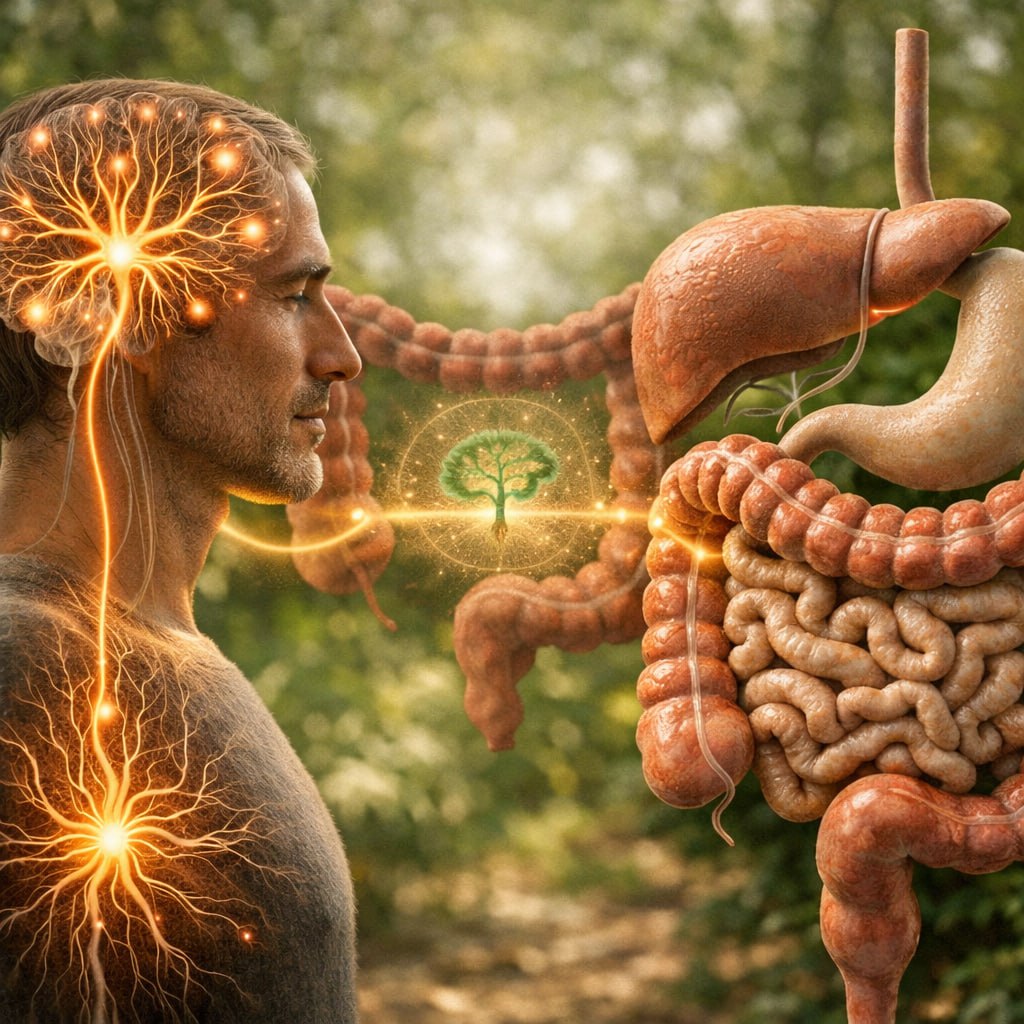

The gut-brain connection
The gut-brain connection is an increasingly relevant topic in scientific research and clinical practice. Gut health and the autonomic nervous system (ANS) are fundamental aspects of physical and emotional well-being. Today we know that a balanced gut microbiome is essential not only for digestion, but also for immunity, mood and the overall balance of the nervous system.
How a Healthy Gut Affects the Nervous System
The gut microbiome directly influences both branches of the autonomic nervous system: the sympathetic and parasympathetic. When the gut is healthy, the parasympathetic system is stimulated, promoting efficient digestion, relaxation, and regeneration. However, imbalances in the gut flora—such as inflammation or dysbiosis—can overstimulate the sympathetic system, resulting in chronic stress, digestive disorders, and weakened immunity.
The Role of Biodynamic Massage in the Gut-Brain Connection
As a biodynamic massage therapist, I observe daily the deep connection between the gut and emotional well-being. In fact, this connection is essential to understand the balance between body and mind. This therapeutic method, developed by Gerda Boyesen after the Second World War, is based on the natural peristaltic movement of the intestine, allowing the assessment and regulation of the energetic state of the body. In addition, the sounds produced by the intestines function as valuable indicators, revealing emotional blockages and unresolved traumas that remain stored in the body. Therefore, biodynamic massage represents a holistic approach that promotes self-knowledge, self-regulation and deep emotional balance.
Furthermore, nutrition, probiotics, antioxidants, subtle touch and listening to the movements and tensions of one's own peristalsis create a powerful therapeutic approach that promotes self-regulation and restores inner balance.
Strategies to Improve Gut Health and Nervous System Balance
The good news is that we can positively influence this connection through lifestyle changes, diet and complementary therapies.
Stress Reduction and Stimulation of the Parasympathetic System,
Adopting practices that induce relaxation is essential to calm the nervous system and allow the body to restore itself:
- Meditation, yoga and conscious breathing
- Restful sleep
- Contact with nature and regular walks
- Healthy social relationships
- Osteopathy sessions to align the body and release accumulated tension
- Biodynamic massage, which works with the body's vital energy and intestinal peristaltic movement, promoting physical and emotional balance
Functional Nutrition: Prebiotics, Probiotics, Antioxidants, and Mushrooms
A balanced microbiome depends on a diet rich in functional foods:
- Prebiotics:Garlic, onion, banana, legumes, and kale feed the beneficial bacteria in the gut and promote a balanced microbiome.
- Natural probiotics: fermented foods such as miso, sauerkraut, kimchi and probiotics EM. They introduce live beneficial microorganisms to aid digestion and immunity.
- Antioxidant polyphenols:Green tea, red berries, dark chocolate 85% protect cells from oxidative stress and promote gut and brain health.
- Omega-3 fatty acids:Hemp seeds, chia seeds, flax seeds, and walnuts reduce inflammation and support brain function and gut health.
- Mushrooms:Reishi and Lion's Mane. The combination of these two promotes gut health and cognitive brain function, strengthening the gut-brain connection.
Special Feature: EM X Gold, an advanced antioxidant probiotic that combines beneficial microorganisms with bioactive compounds that neutralize free radicals. This unique combination supports cell regeneration, strengthens the intestinal barrier and helps maintain the body's neurochemical balance.
Strengthening the Intestinal Barrier
A healthy gut lining is vital to prevent inflammation and unwanted immune reactions:
- Collagen and bone broth (or agar-agar as a vegan alternative) helps heal and maintain the intestinal wall.,
- L-glutamine, found in eggs, fish, spinach, and kale, reduces inflammation and improves nutrient absorption.,
- Medicinal plants such as aloe vera and psyllium husk promote the regeneration of the intestinal mucosa.,
- Zinc, found in pumpkin seeds and lentils, reduces inflammation, provides protection, and strengthens the immune system.
Avoiding Factors That Are Harmful to the Microbiome
- Eliminate ultra-processed foods and refined sugars
- Reduce artificial sweeteners and unnecessary antibiotic use
- Maintain regular physical activity such as walking and strength training
Conclusion
In short, the gut-brain connection is a two-way street: the state of the gut microbiome directly affects the nervous system, while the emotional state significantly influences digestive health. Therefore, taking care of the gut also means taking care of the mind, immunity and general vitality. After all, a balanced gut promotes physical and emotional well-being. With this in mind, investing in a proper diet, implementing effective stress reduction strategies and resorting to supportive therapies such as biodynamic massage are fundamental steps. In this way, it is possible to strengthen this essential connection and promote long-lasting and sustainable well-being.